Unattributed
Research Project and archives, 2026
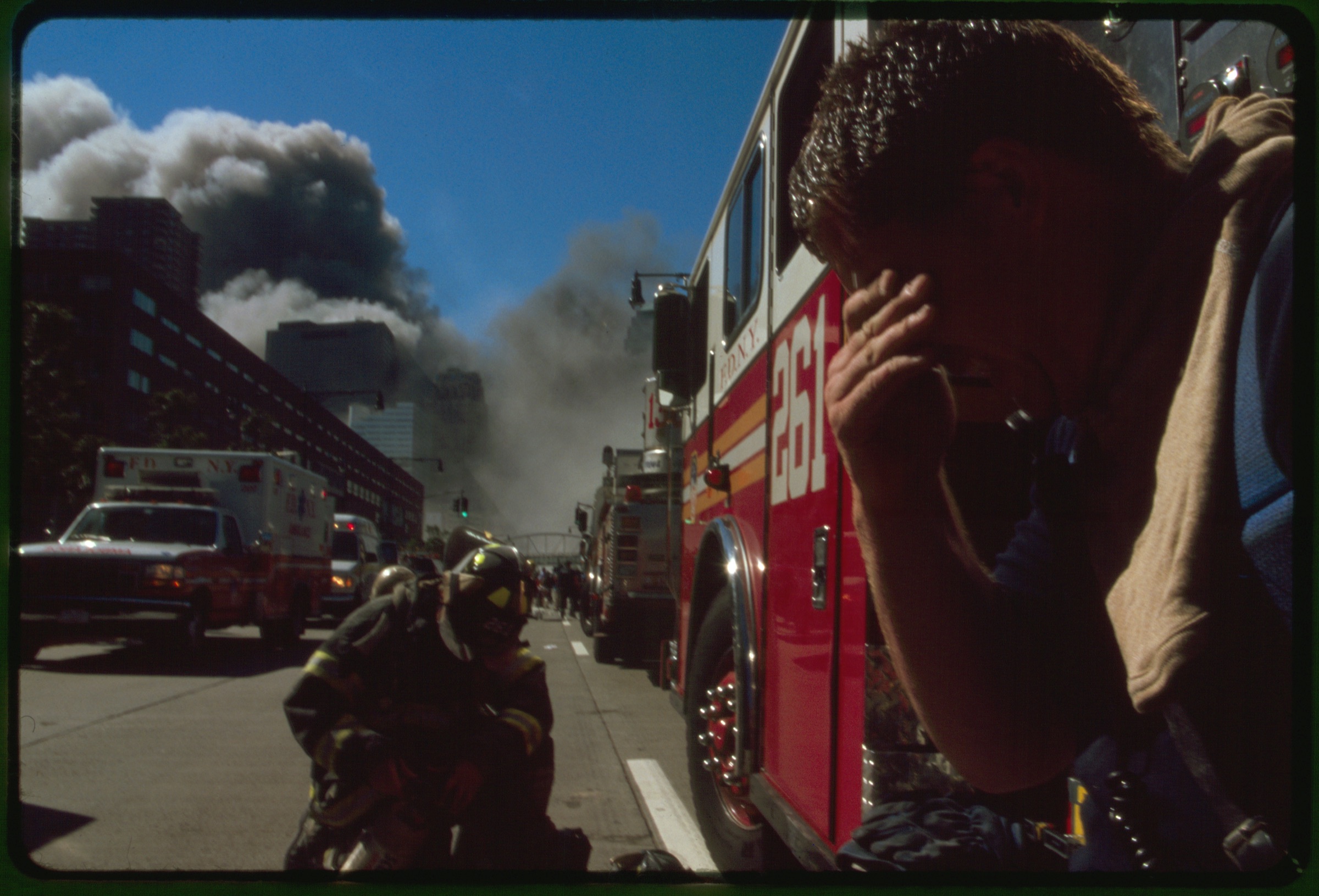
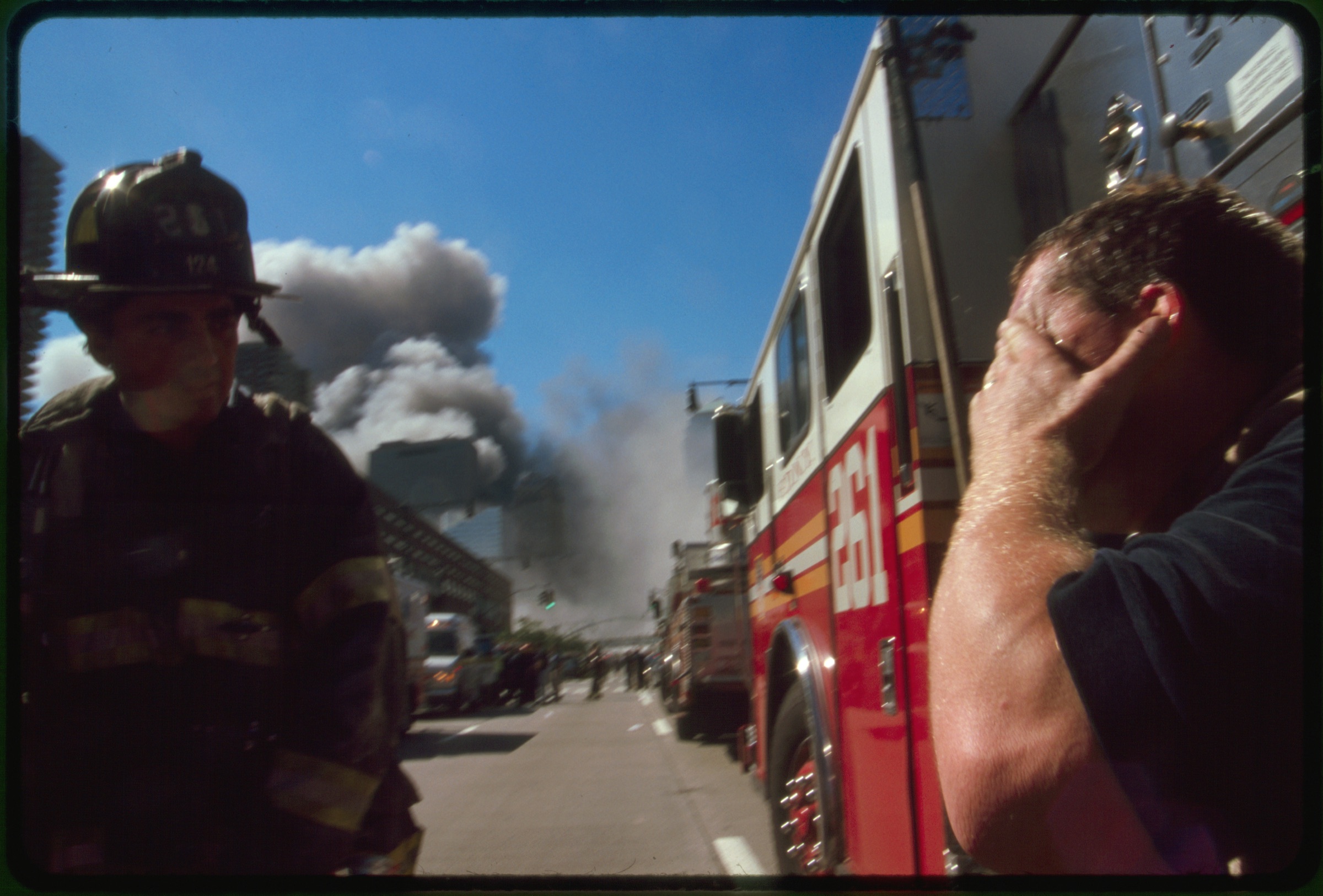
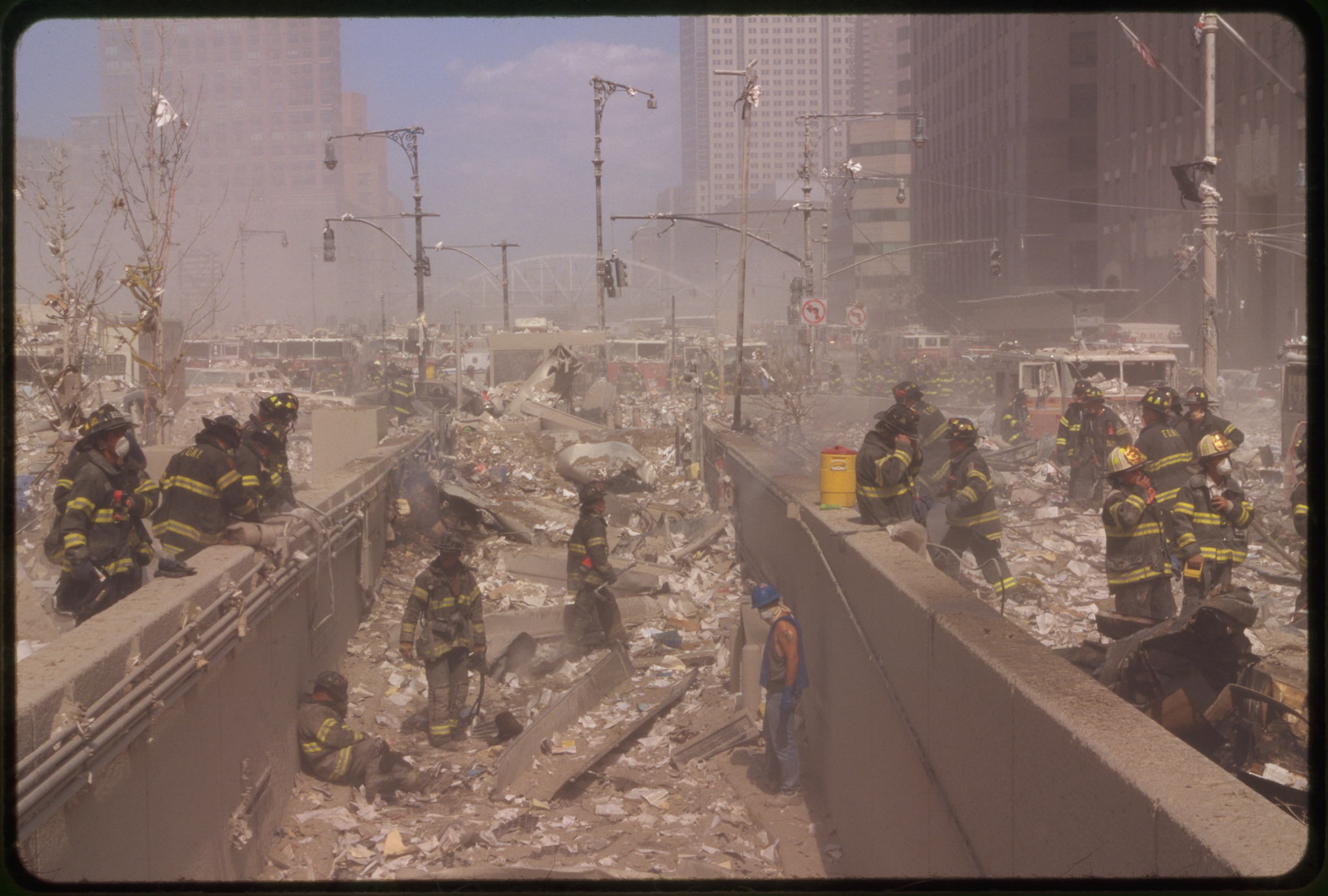
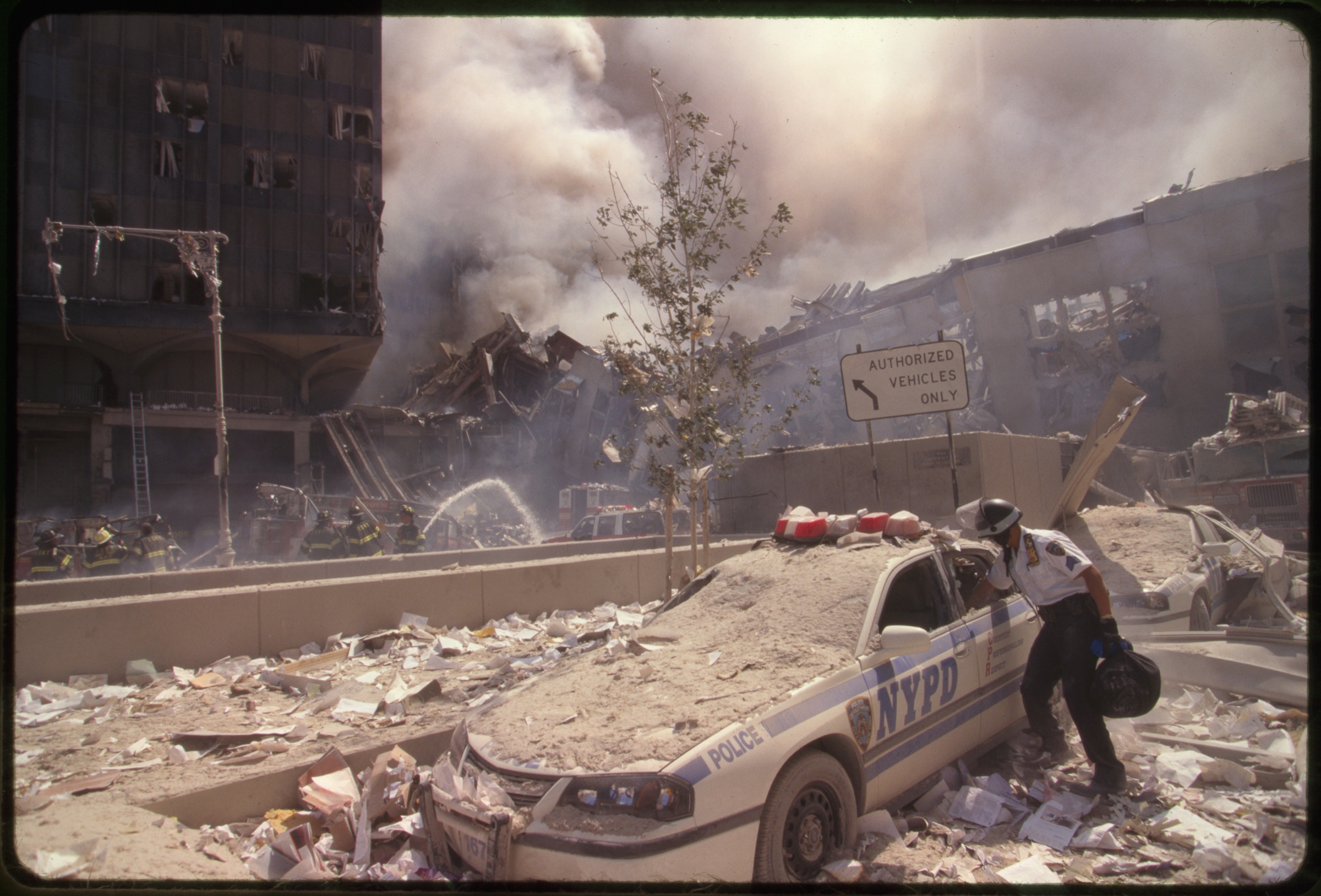
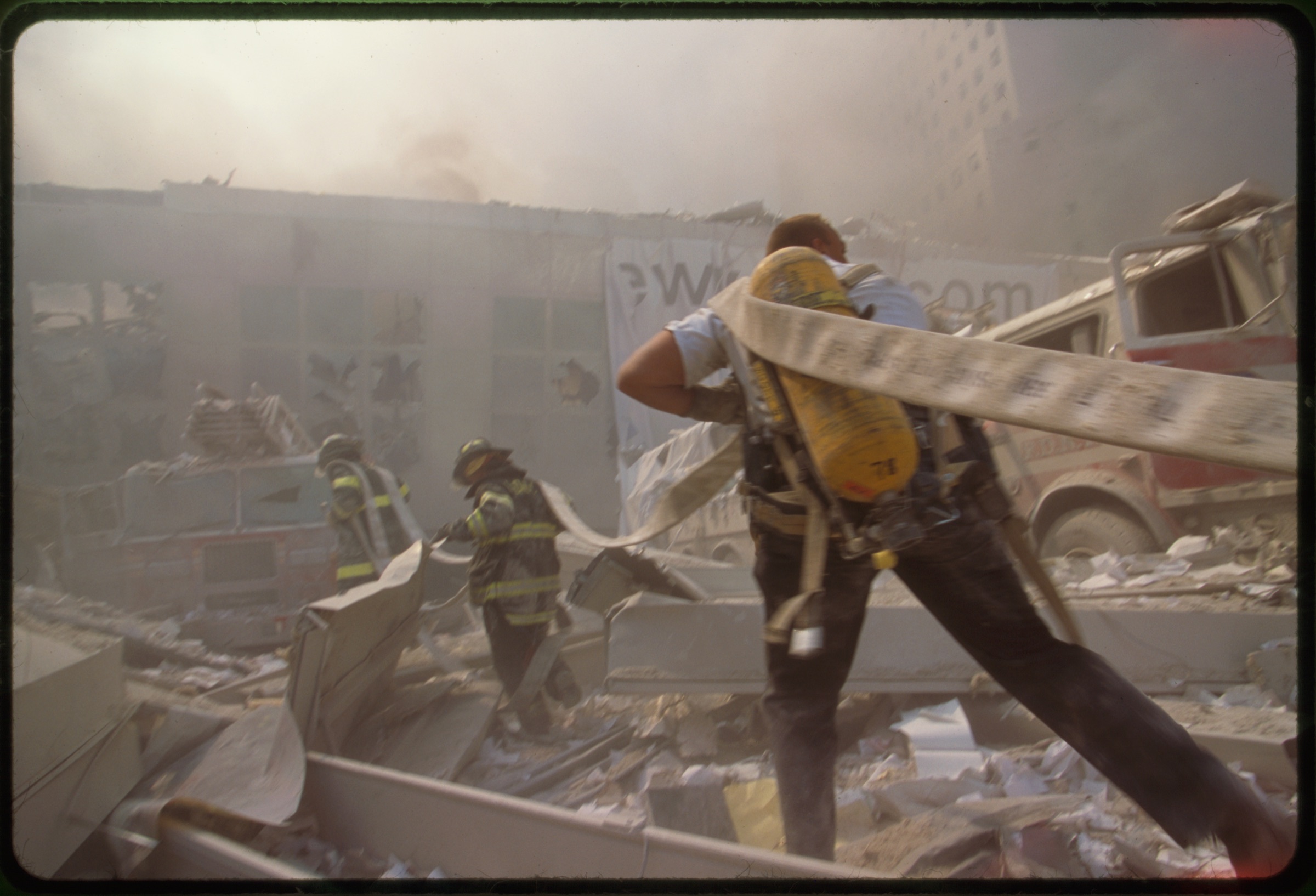
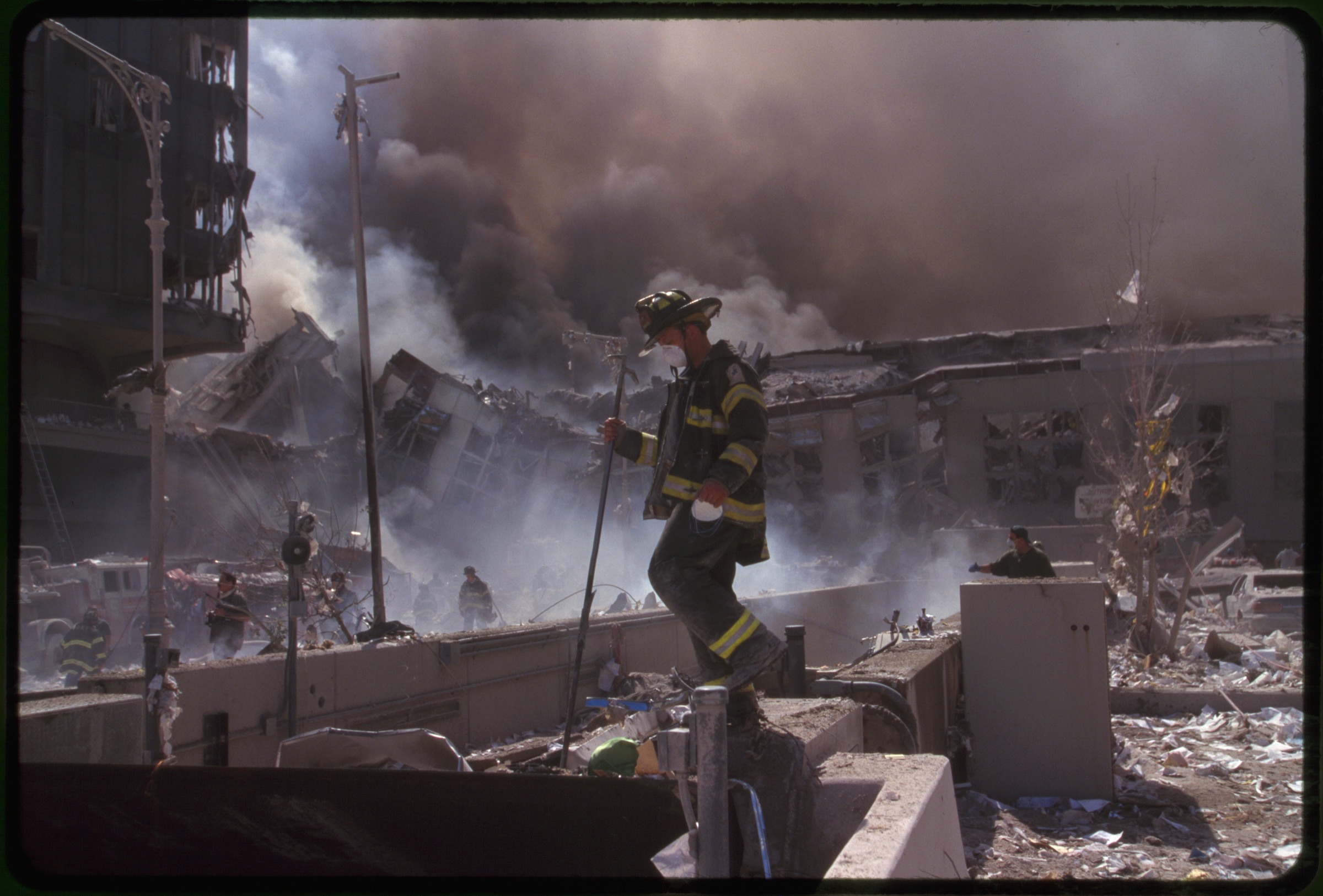
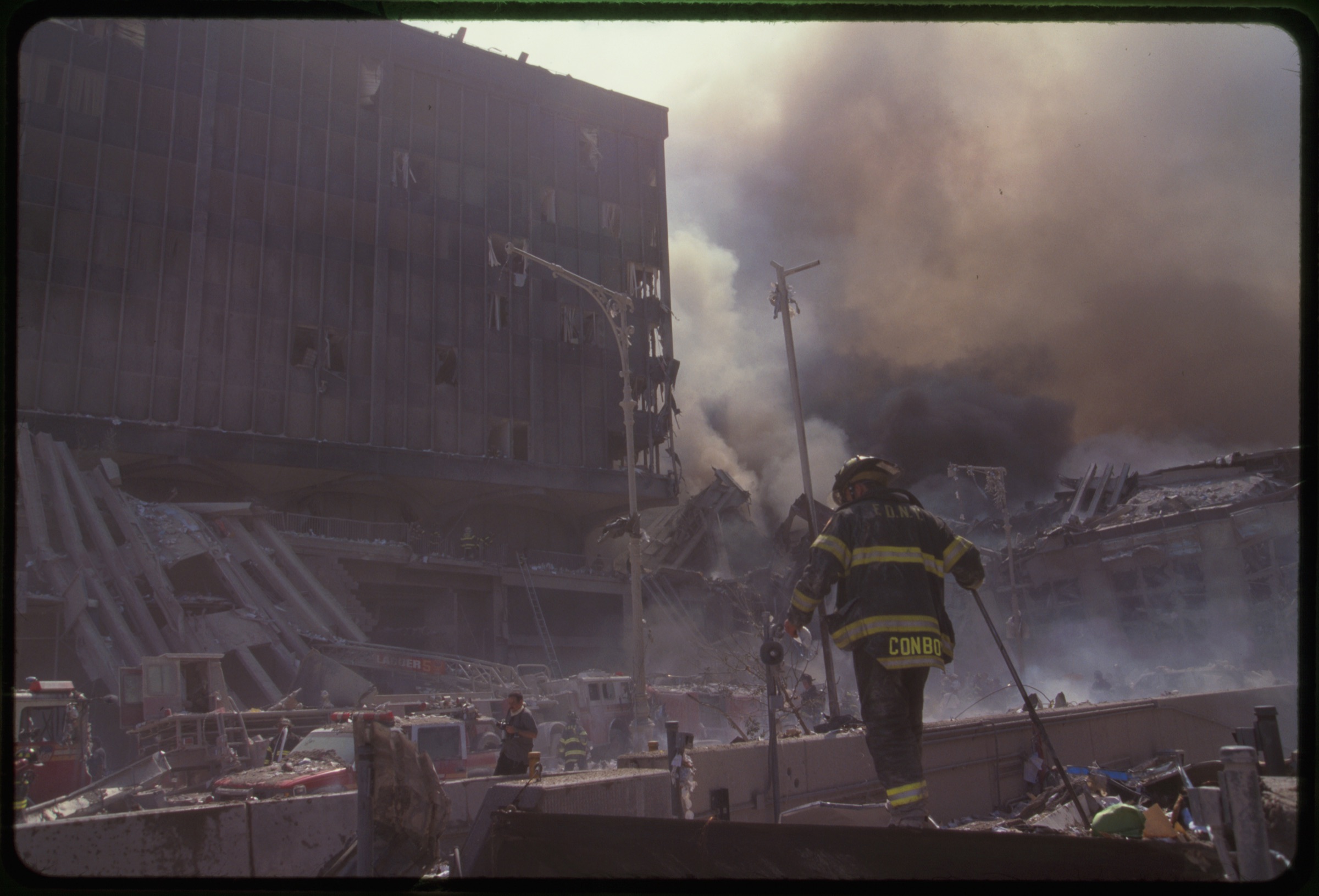
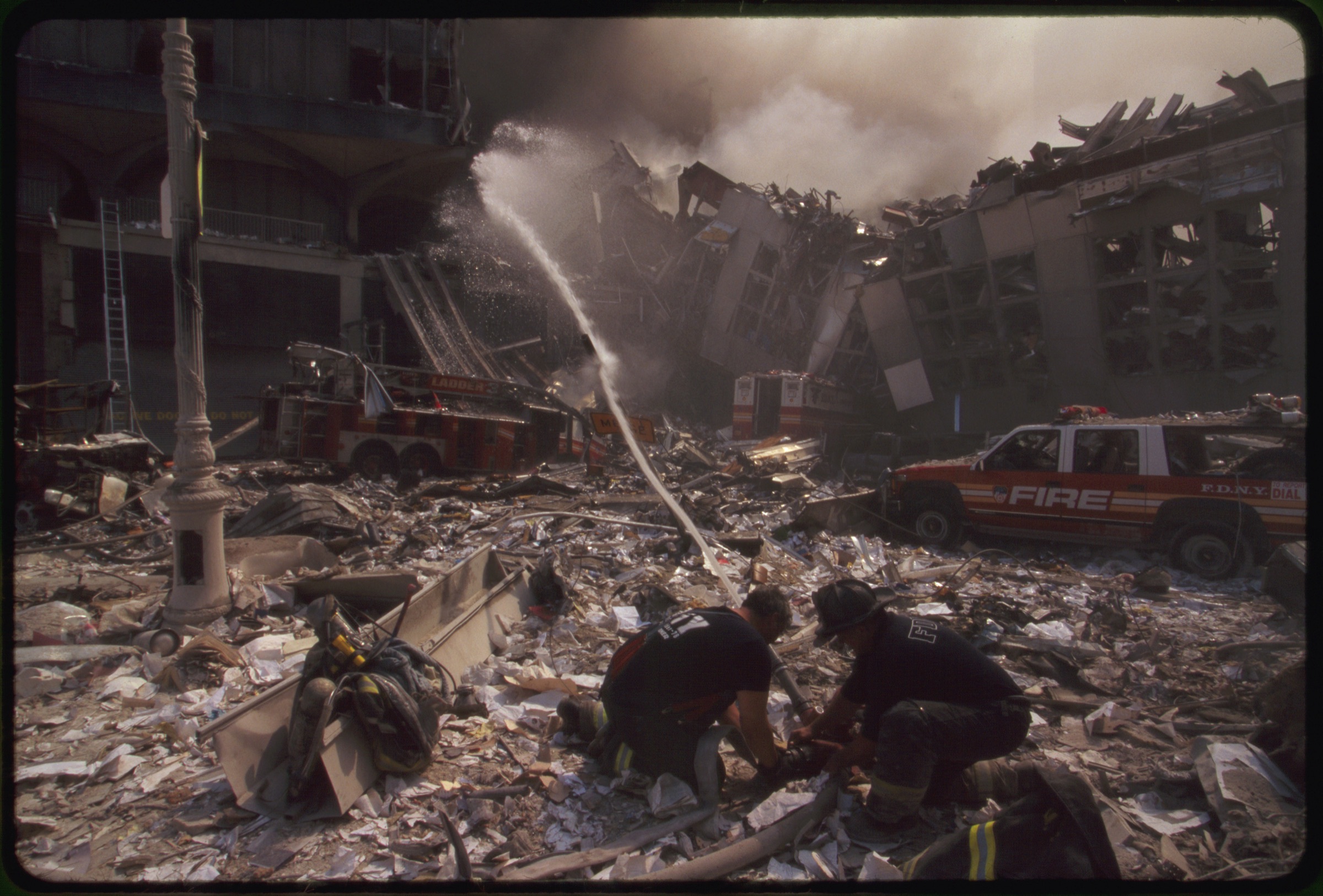
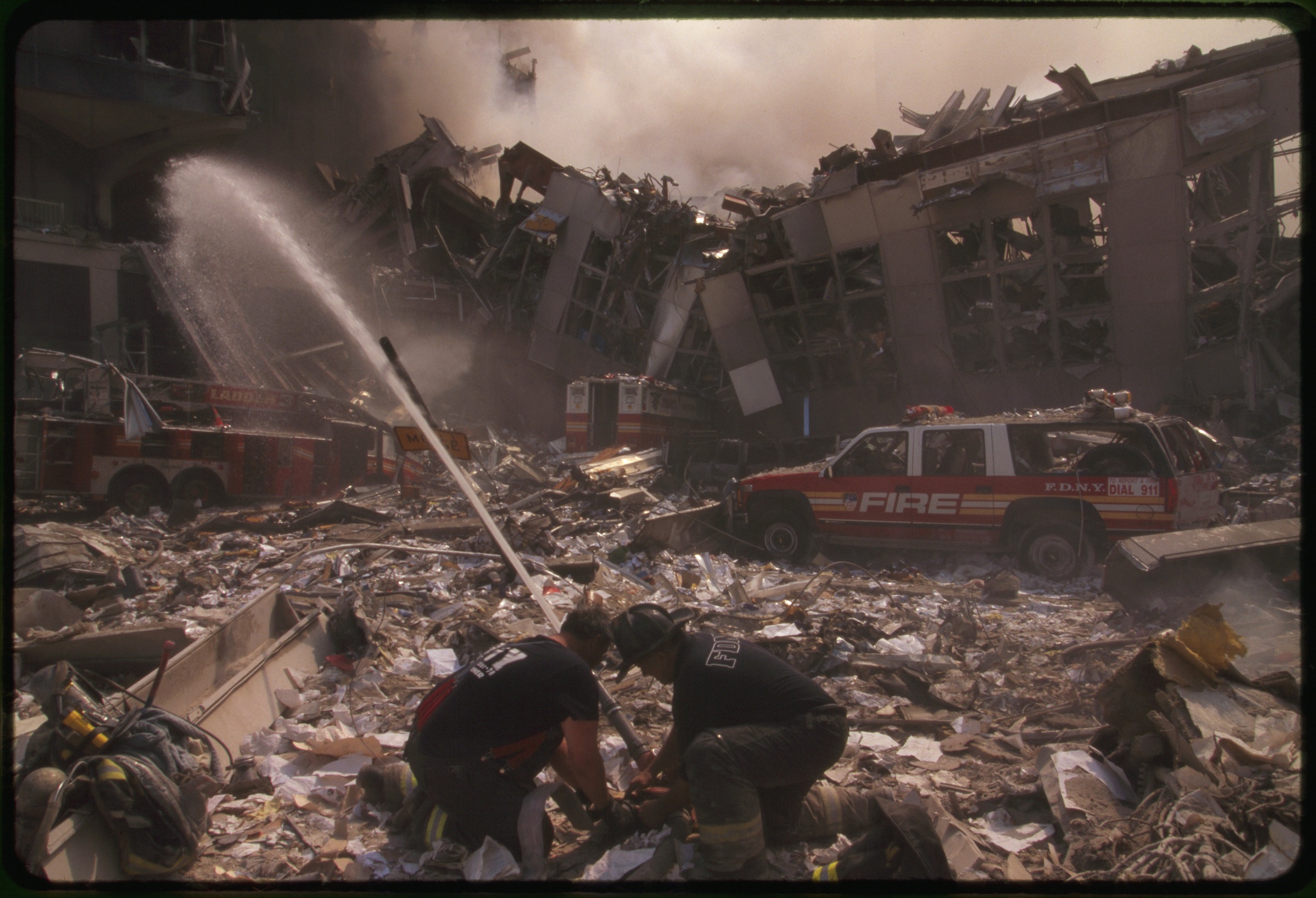
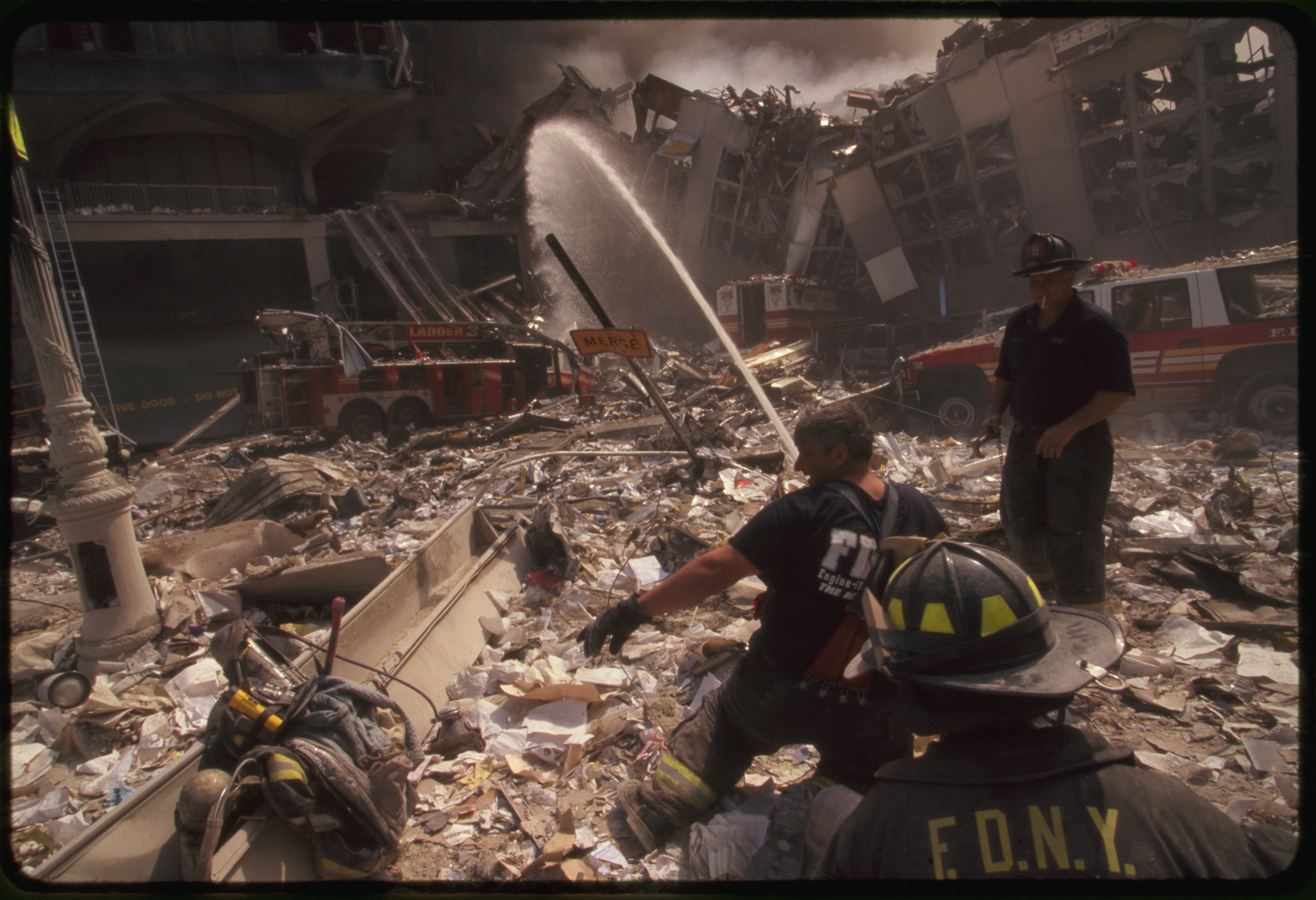
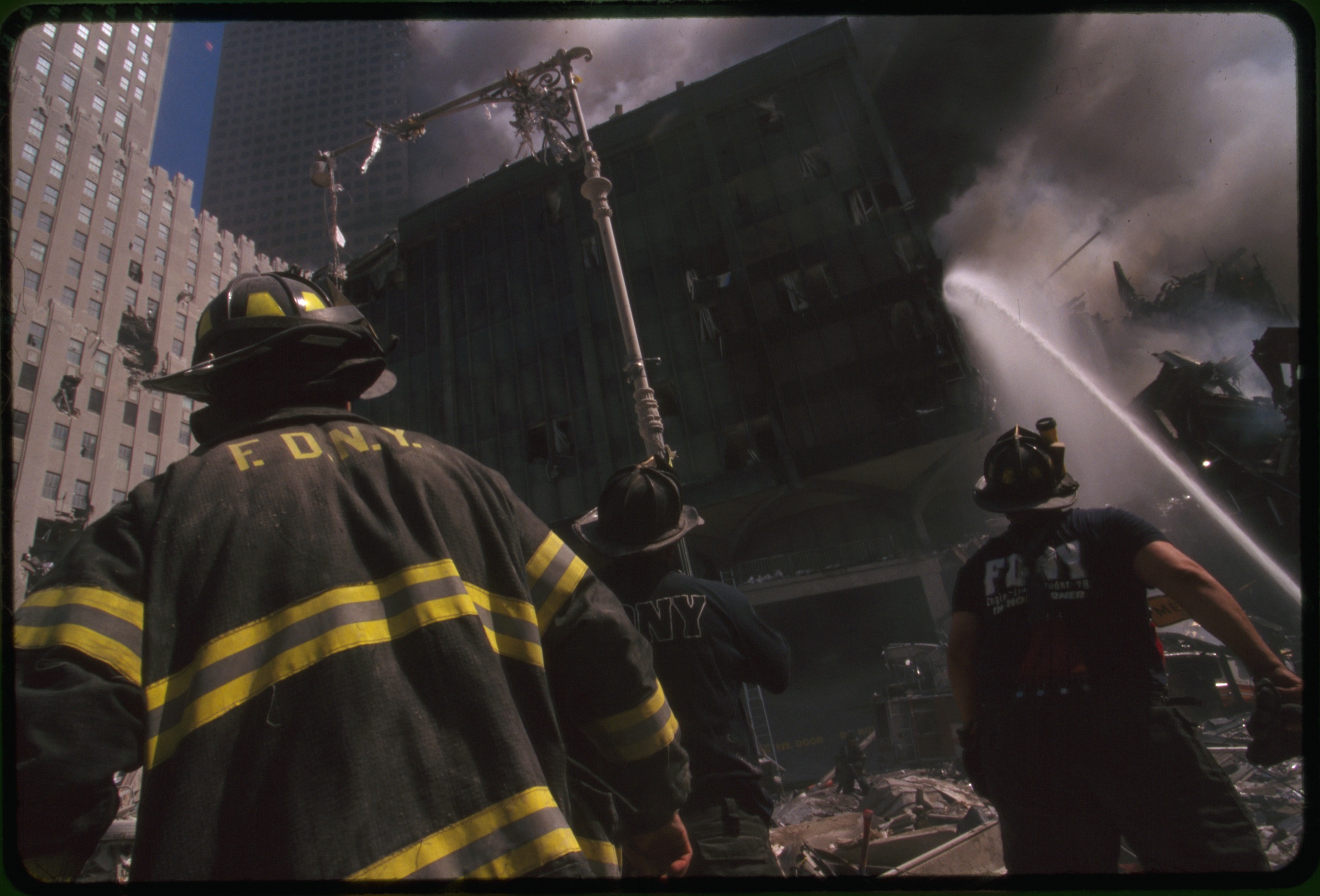
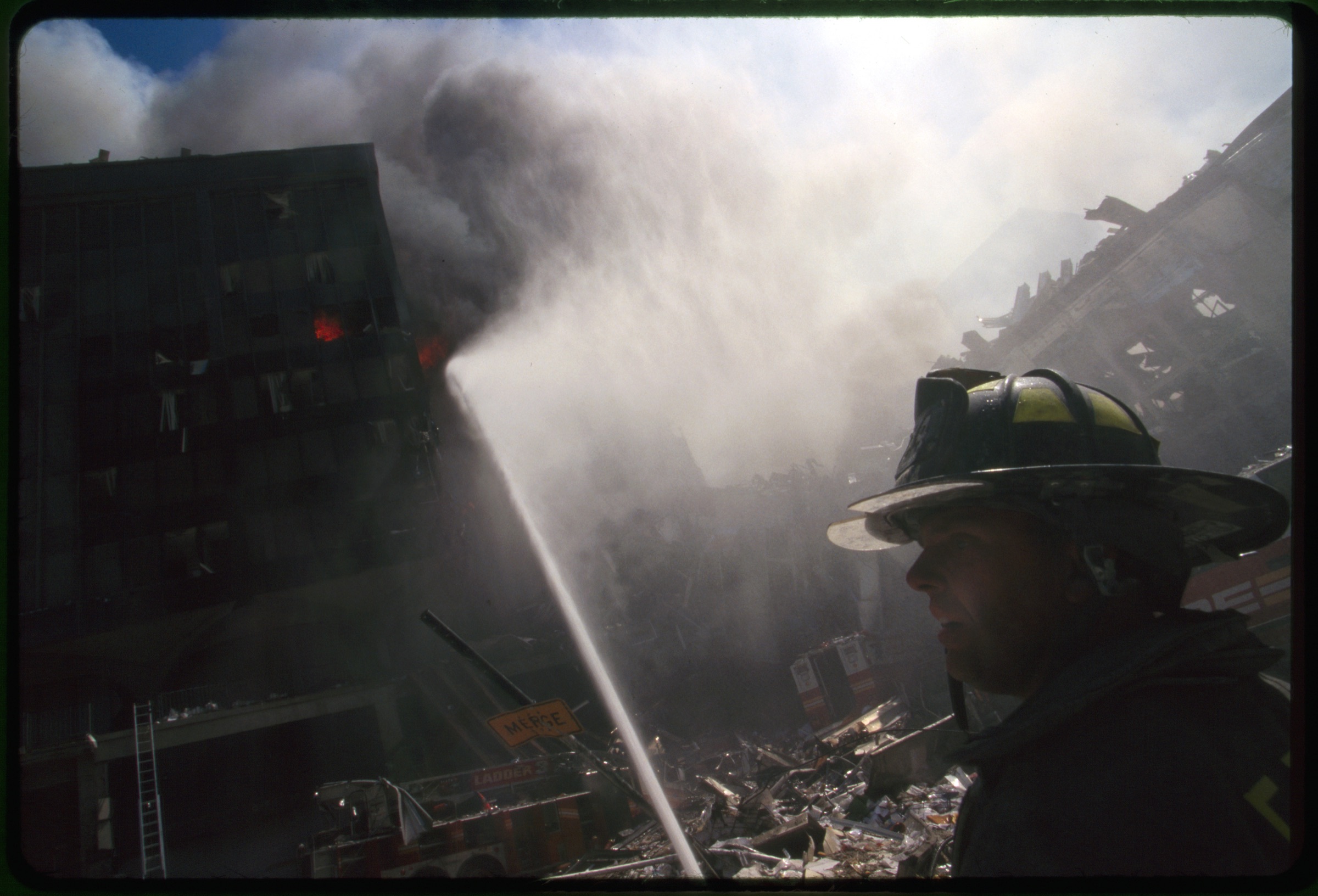
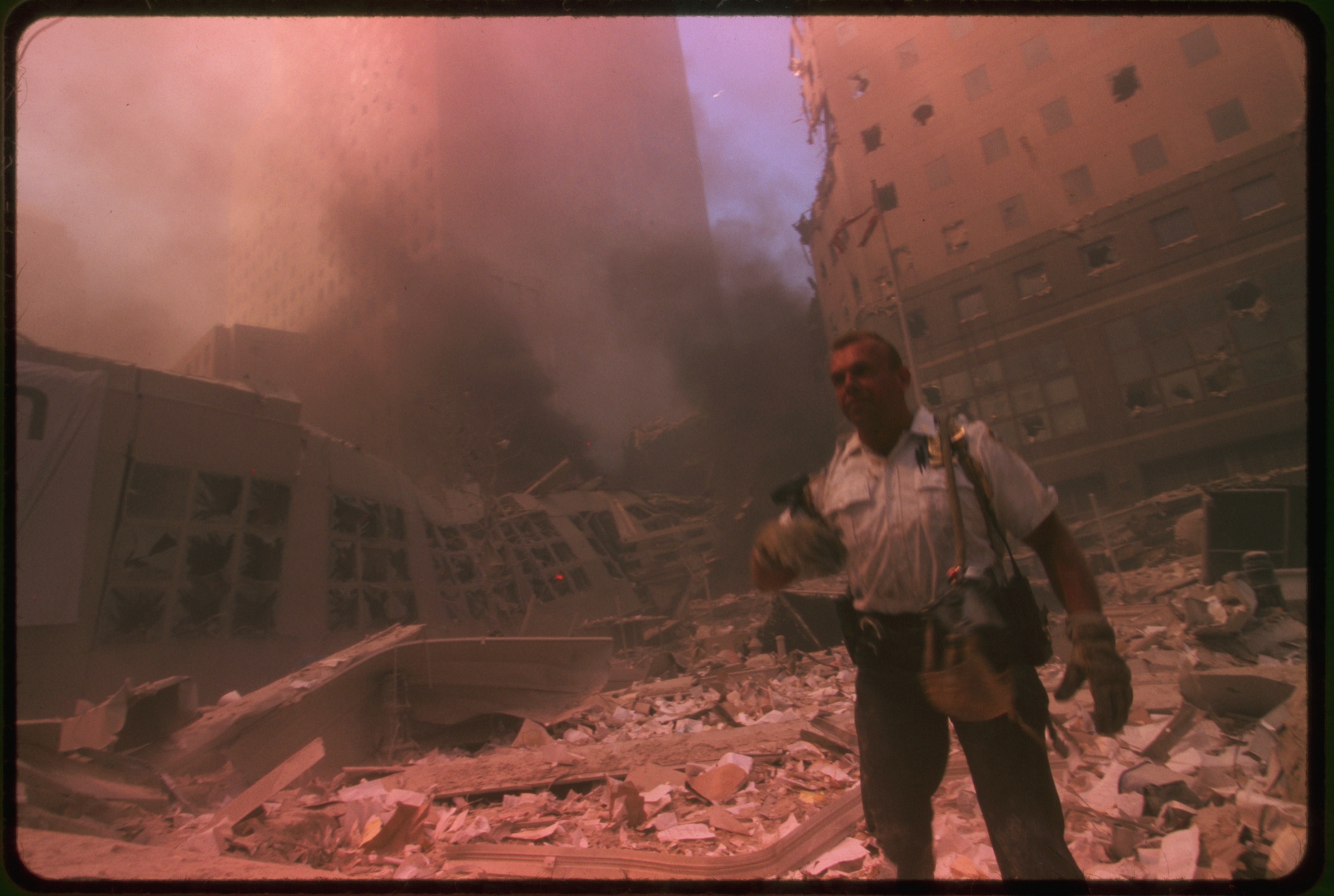
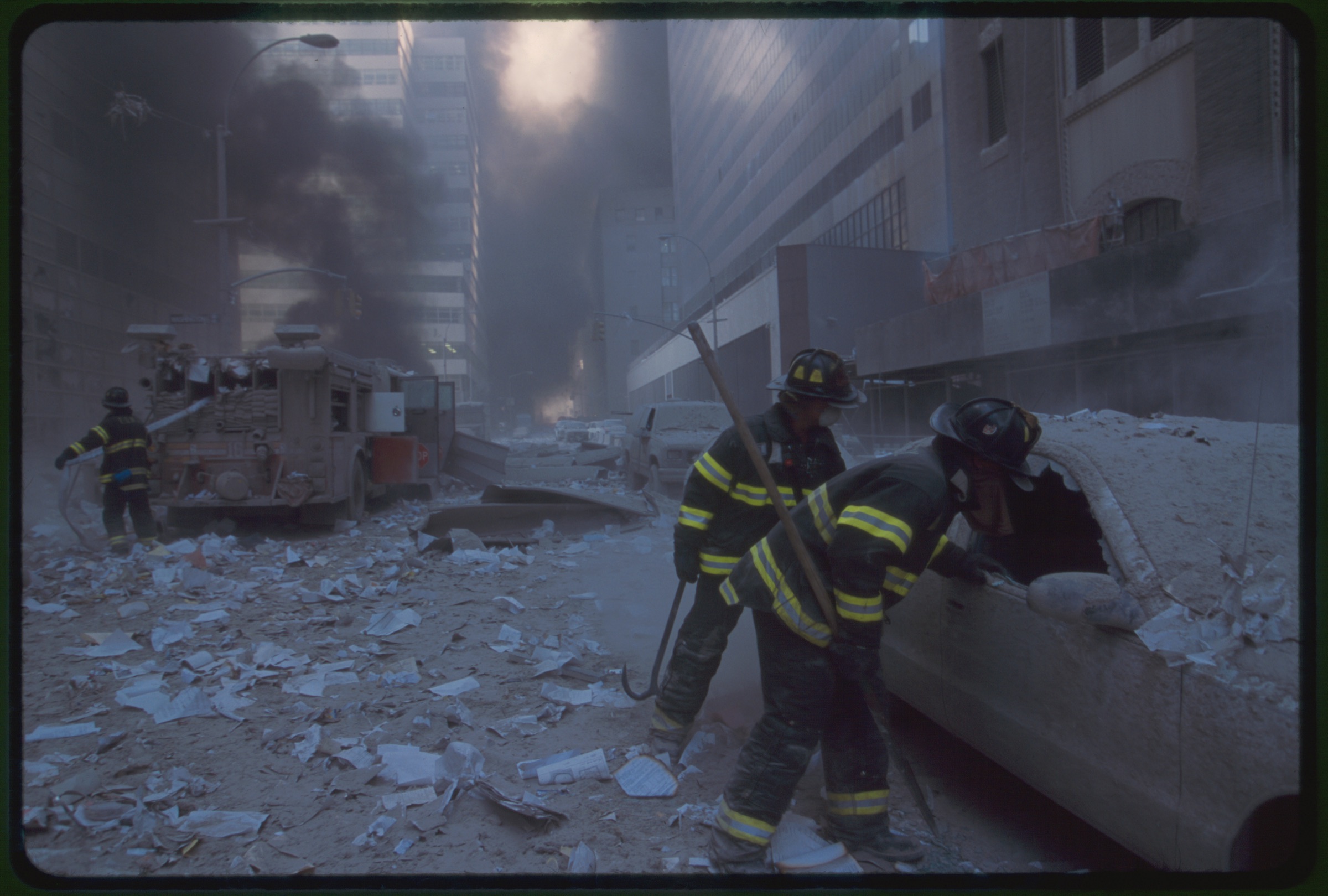
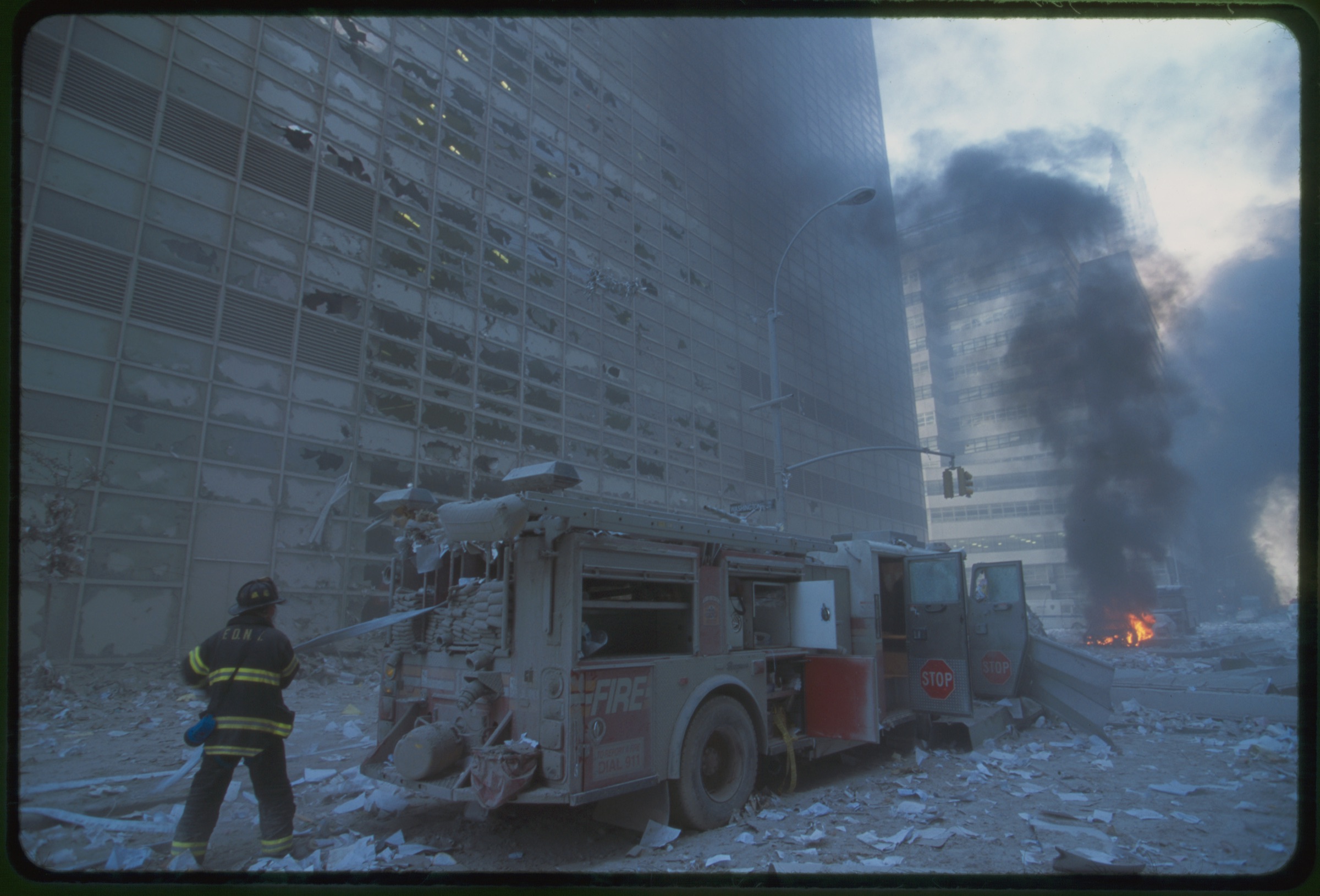
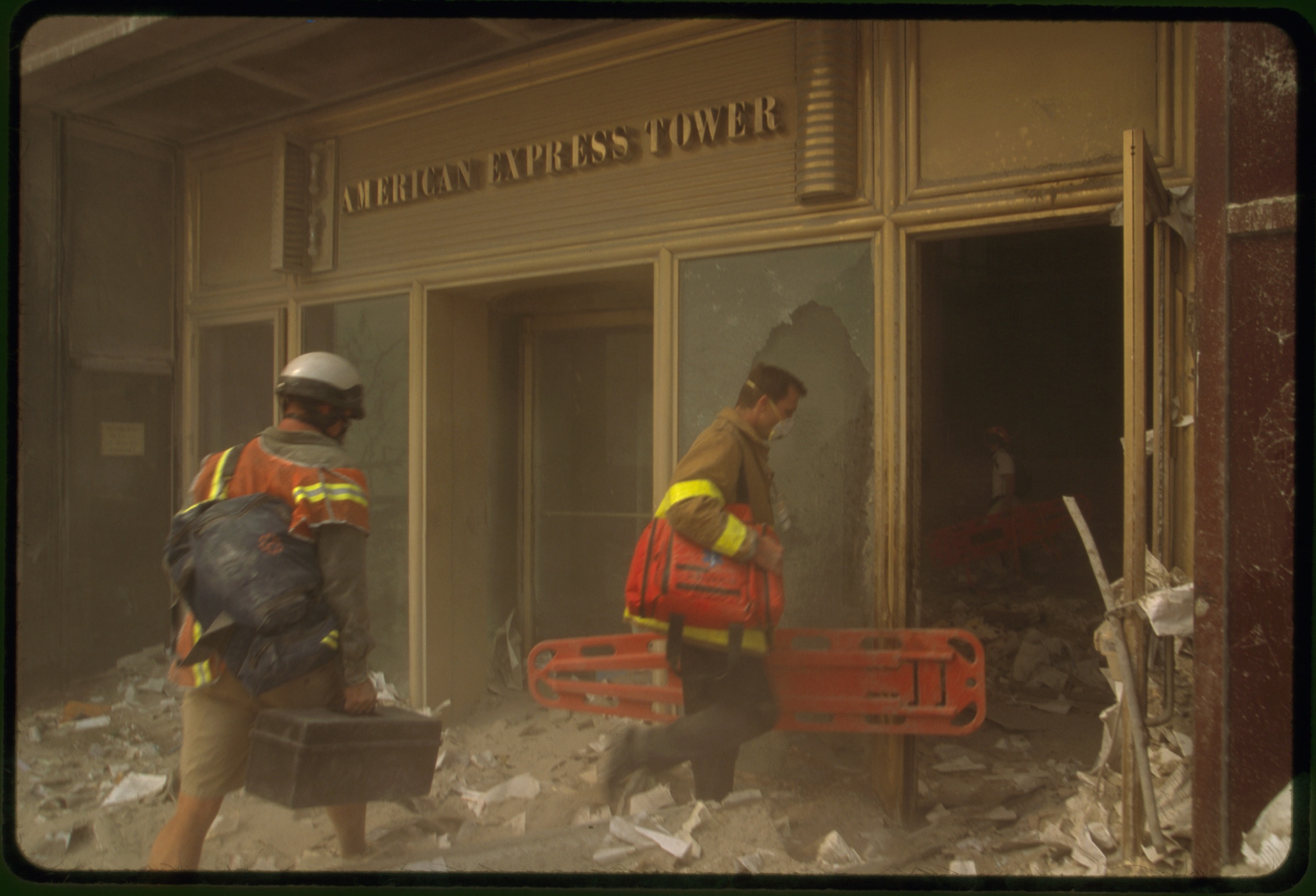
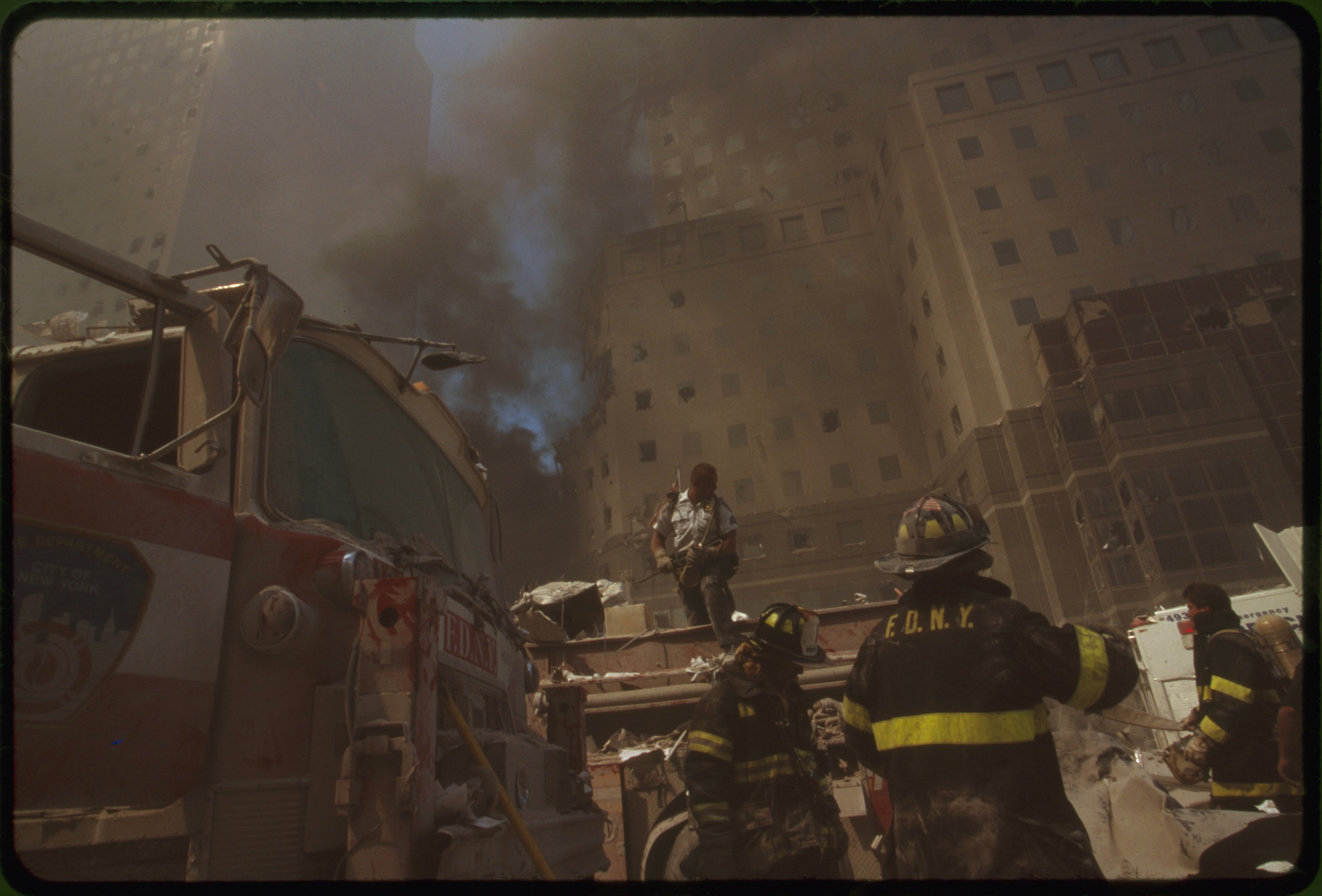
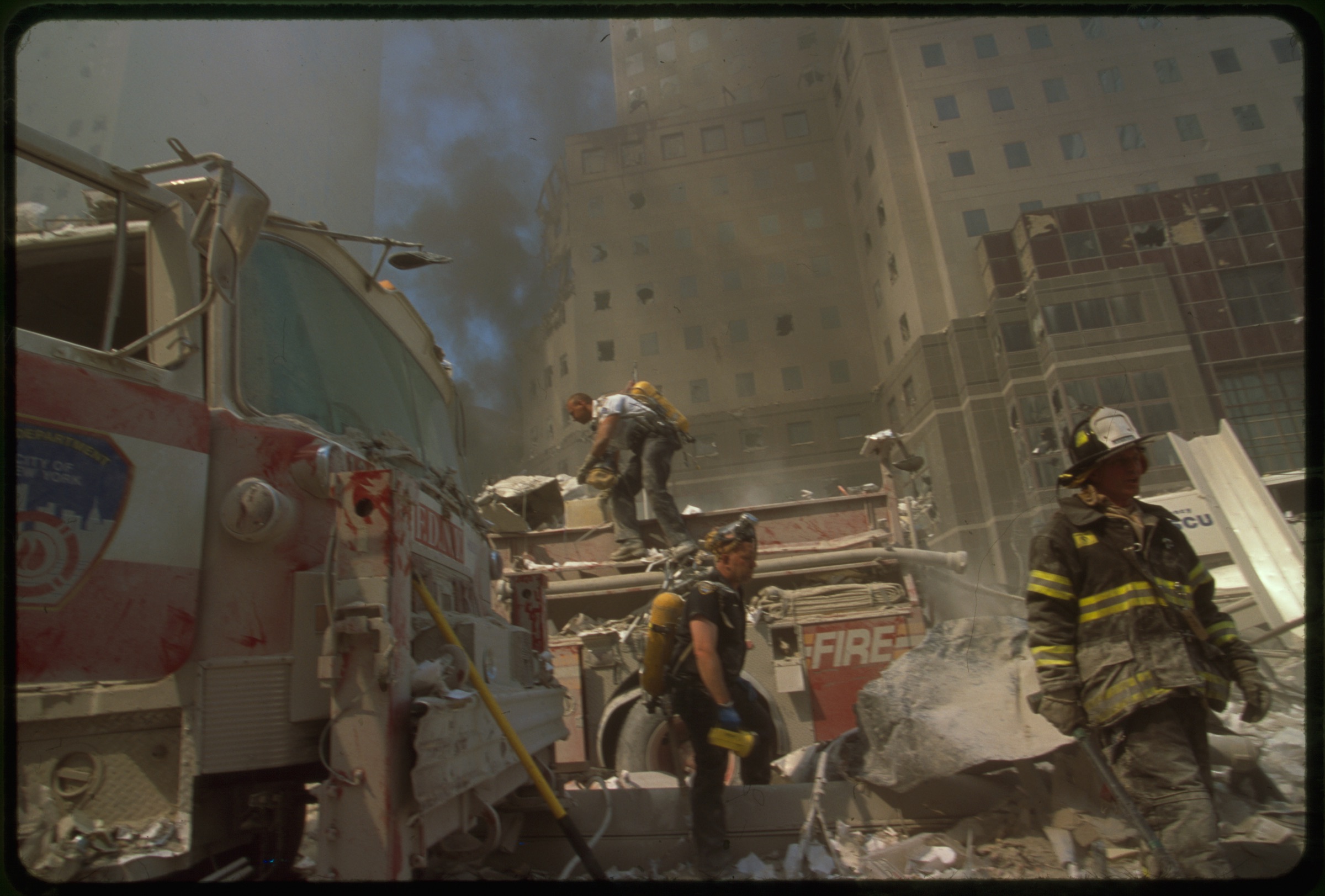
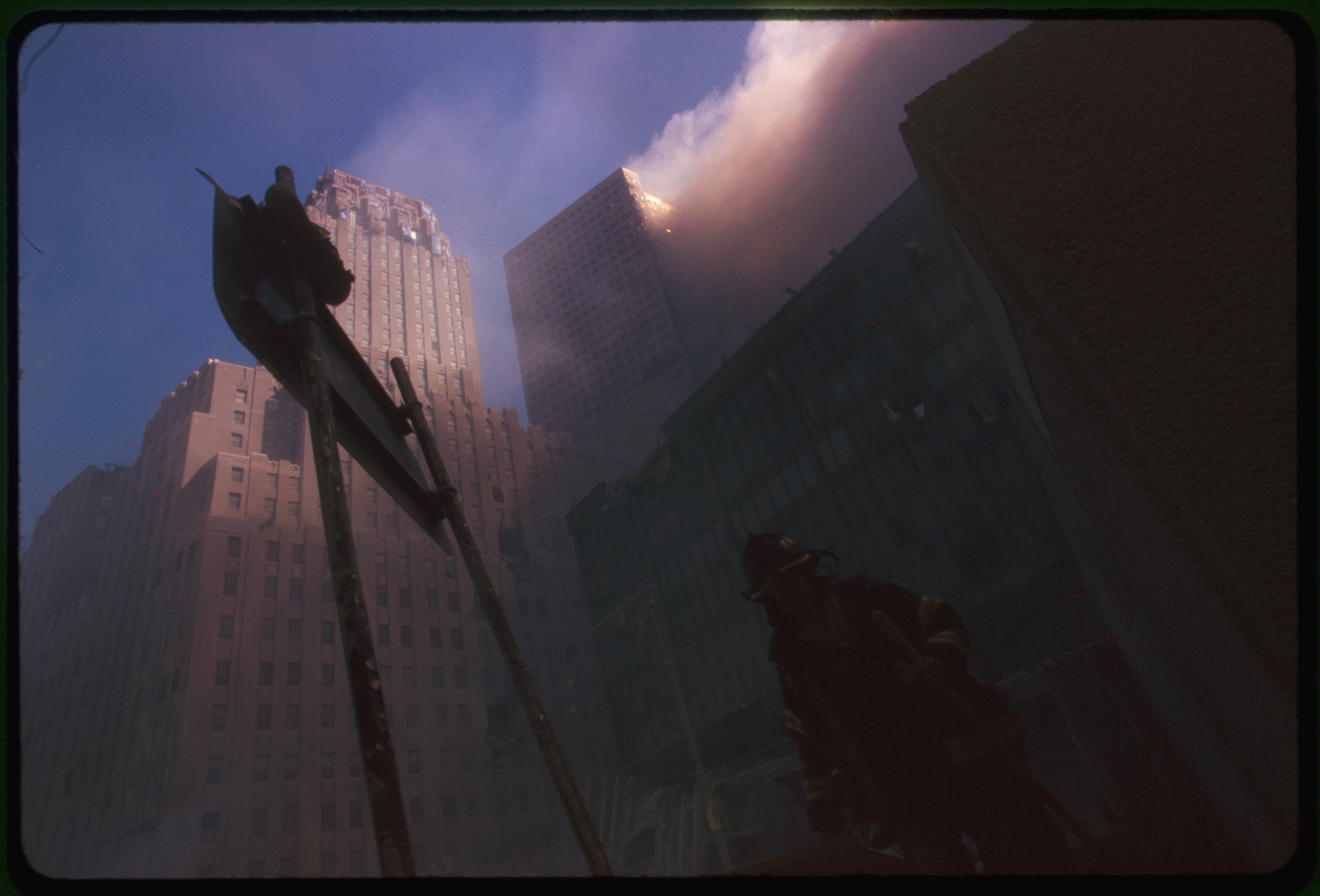
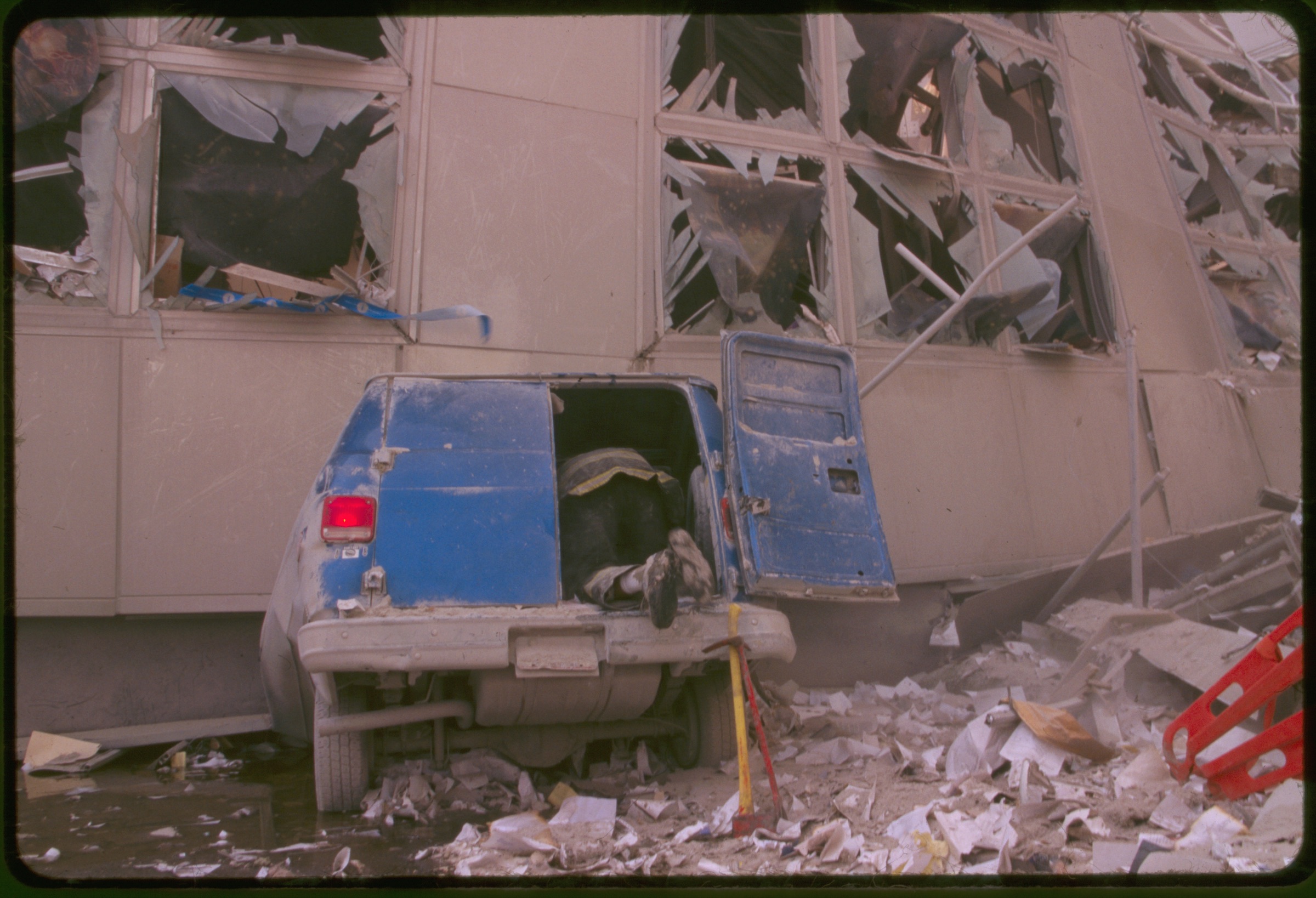
"Unattributed" began with a chance discovery within the digital archives of the Library of Congress. While exploring its online collection, I came across a series of photographs taken in New York City in the aftermath of the September 11, 2001 attacks. Preserved by the institution, these images belong to a particular category: they are listed as unattributed. Their author is unknown.
At first glance, these photographs appear to be one testimony among countless others documenting one of the most photographed events in contemporary history. Yet, as I spent time with them, another narrative emerged. The images seem to follow a coherent progression, sharing a similar proximity to the rescue operations, a consistent way of moving through space, and a recognizable approach to framing. Together, they suggest the presence of a single photographer moving through the scene. But that photographer has disappeared from the archive.
The event is known. The location is known. The date is known. The photographs have been preserved, digitized, catalogued, and made publicly accessible. Yet the identity of the person who made them has been lost.
This absence became the starting point of the project.
Rather than focusing on the attacks themselves, Unattributed examines the ways archives construct and preserve collective memory. An archive is never a neutral repository; it is a system of selection, classification, and transmission. It safeguards certain information while allowing other parts of history to fade away. In this case, the images survived, but their author did not. Each photograph nevertheless bears the trace of a human presence. Someone stood there. Someone loaded a roll of film, witnessed these scenes, chose where to stand, what to include, and when to release the shutter. The slides endured. Their story did not.
The project does not seek to identify the photographer or solve the mystery surrounding these images. Instead, it is concerned with what remains when such identification becomes impossible. These photographs are approached as fragments detached from their origin documents whose most essential piece of information may be lost forever. In an age where almost every image is attached to a name, a profile, or a digital identity, this collection reminds us that photographs can outlive their authors. It raises questions about anonymity, authorship, and the limits of archival systems. How do we look at an image when its maker has disappeared? What happens when a photograph remains, but its history does not?
These photographs bear witness to a historic event. But they also bear witness to something quieter: the disappearance of the person who stood behind the camera.
Twenty photographs remain.
The photographer does not.